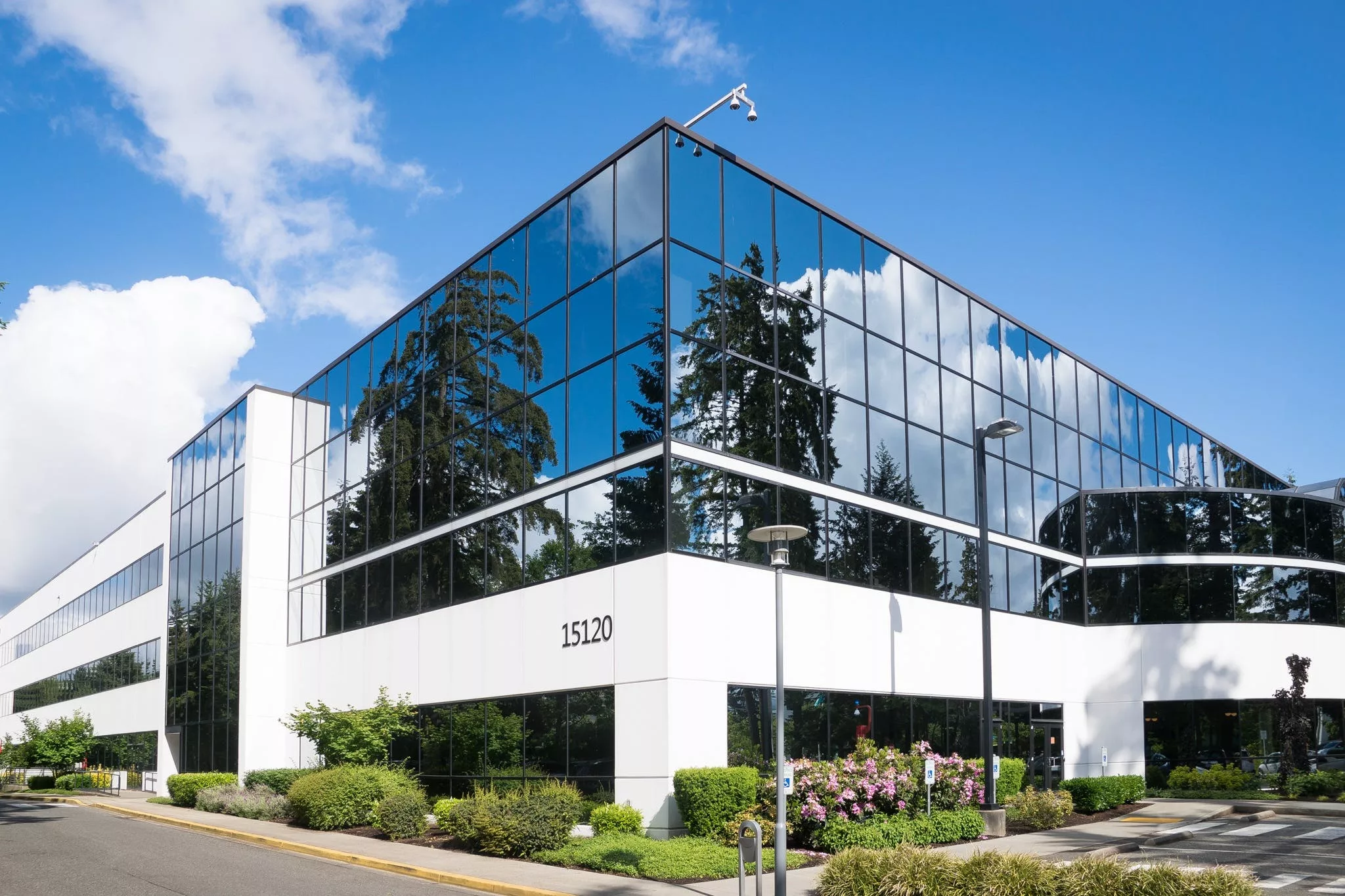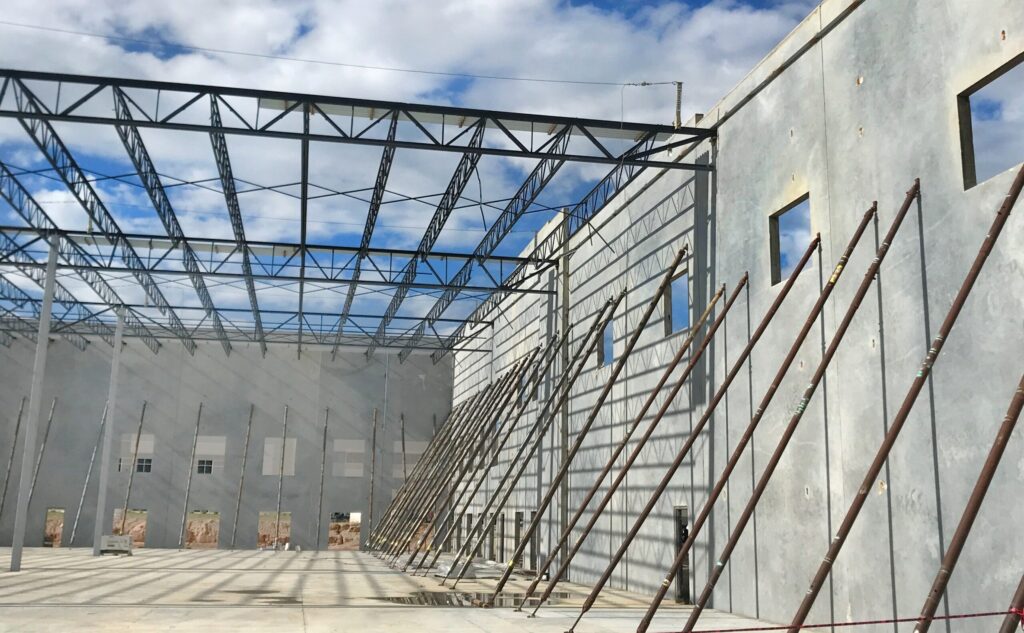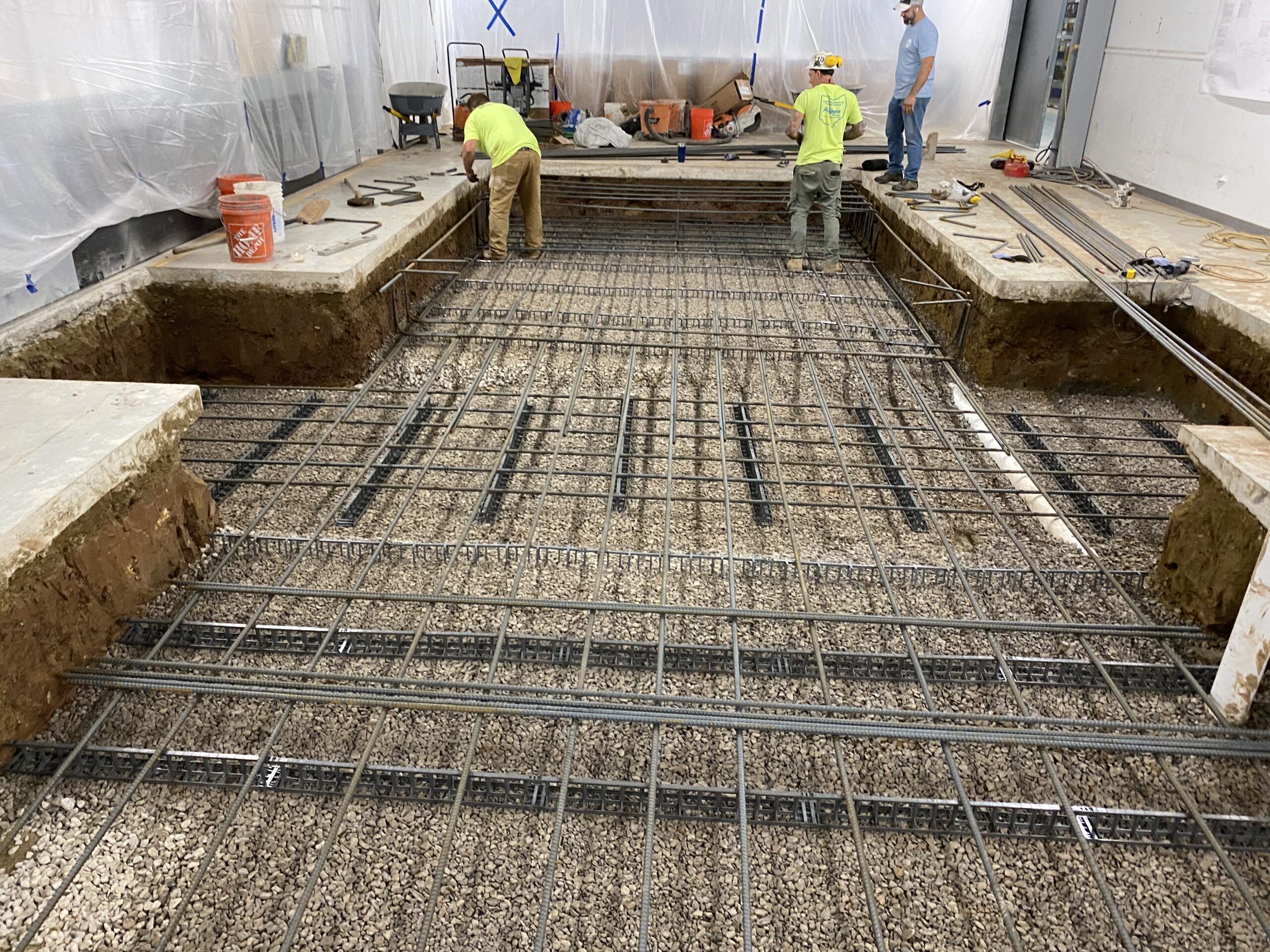
Data center construction in Fort Worth, TX is accelerating as operators expand regional compute capacity and cloud infrastructure footprints. These projects are mission-critical by design, with strict uptime expectations, compressed commissioning windows, and heavy mechanical/electrical density. Concrete and sitework planning are central to project performance, yet often underestimated during early budgeting and schedule modeling.
In 2026, successful data center programs require execution discipline that matches technical complexity. High-load slabs, generator yards, utility corridors, and equipment pads must be coordinated with precision. This playbook outlines practical construction controls that help owners, developers, and delivery teams reduce schedule risk while protecting long-term operational reliability.
Campus-Level Phasing and Expansion Logic
Most data center developments are multi-phase campuses, not single-building events. Early phases should be designed and built with expansion logic in mind: utility backbone alignment, access roads, staging corridors, and structural interfaces must support future buildings without major rework. If Phase 1 is over-optimized for immediate cost, future phases usually absorb significant penalties.
A campus phasing plan should define protected corridors, temporary infrastructure strategies, and permanent tie-in points before major sitework begins. This plan helps delivery teams avoid conflicts between active operations and ongoing construction as future phases come online.
Geotechnical and Civil Baseline Accuracy
Data center structural performance depends on geotechnical confidence. Subsurface variability can affect slab behavior, underground utility stability, and yard performance under heavy equipment loading. Projects should front-load geotechnical investigation and translate findings into civil grading strategy and concrete section design before procurement is finalized.
Civil baseline accuracy is equally important. Stormwater routing, detention strategy, and access elevation controls influence all major site scopes. Early integration between civil design and concrete planning reduces late changes that can ripple across mechanical and electrical installation schedules.
High-Load Slab and Equipment Foundation Strategy
Data centers demand floor systems that support high static and dynamic loads from electrical rooms, battery systems, mechanical equipment, and support infrastructure. Slab strategy should be zone-based with explicit performance criteria for each area. Treating the entire building with uniform assumptions typically creates either overdesign cost or underperformance risk.
Equipment pads and housekeeping slabs should be coordinated early with vendor data and installation tolerances. Anchor layouts, embed coordination, and elevation controls must be verified before placement windows. Late changes in equipment submittals are common, so teams should maintain controlled flexibility in sequencing and fabrication plans.
Utility Corridor Construction as Critical Path
In mission-critical projects, utility corridor readiness frequently controls commissioning outcomes. Underground electrical pathways, ductbanks, chilled water lines, and drainage systems must be delivered with tight quality control and documentation. Corridor delays can stall multiple trades simultaneously and compress startup windows.
Best-performing teams run utility corridors as a dedicated production stream with milestone tracking, hold-point inspections, and as-built capture tied to payment gates. This increases accountability and ensures downstream teams can rely on corridor status during high-pressure integration phases.
Generator Yard and Exterior Hardscape Sequencing
Generator yards and associated exterior support zones carry heavy load demands and strict access requirements. Concrete scope in these areas should prioritize durability, drainage control, and maintenance accessibility. Underbuilt exterior infrastructure creates long-term reliability and serviceability issues that are expensive to correct post-occupancy.
Sequencing should also account for procurement timing of generator equipment and associated electrical packages. Yard readiness must align with delivery and setting windows; otherwise, project teams face idle equipment costs and cascading schedule disruption.
Quality Assurance in Mission-Critical Environments
Quality assurance for data center concrete work should exceed standard commercial practices. QA plans should include pre-task briefings, placement monitoring, curing verification, and post-placement validation aligned to performance requirements. Documentation should be structured for both construction closeout and future operational reference.
Mission-critical owners benefit from independent verification checkpoints on key scopes, including high-load slabs, equipment pads, and corridor structures. These checkpoints reduce latent defect risk and improve confidence during commissioning and turnover.
Schedule Governance and Decision Cadence
Data center schedules can appear healthy on paper while hiding unresolved dependencies in field workflows. Effective governance uses milestone-based reporting with explicit dependency mapping across civil, structural, mechanical, and electrical scopes. Percent-complete summaries are not enough for mission-critical delivery control.
Decision cadence should be tight and documented. Weekly executive-level reviews should track critical blockers, procurement risk, change impact, and commissioning readiness. Clear decision logs reduce ambiguity and allow faster corrective action when milestones drift.
Risk Management for Commissioning Windows
Commissioning windows are often fixed by business requirements, making upstream risk control essential. Concrete and sitework teams should identify scope elements with high commissioning sensitivity and assign contingency strategies early. These include corridor completion, equipment pad readiness, and access path durability for late-stage vendor activities.
Risk reviews should classify issues by commissioning impact and probability, then connect mitigation tasks to accountable owners. This turns risk management into an active delivery tool rather than a static reporting exercise.
Cost Control Without Performance Erosion
Mission-critical programs face ongoing pressure to control budget while maintaining technical reliability. Cost optimization should focus on sequencing efficiency, scope clarity, and procurement alignment instead of cutting structural or durability requirements. Short-term savings that degrade performance usually become long-term operational liabilities.
Owner teams should require transparent cost reporting by package with trend analysis on scope growth and pending changes. Early visibility enables informed tradeoffs and helps preserve critical performance outcomes under schedule pressure.
Turnover Documentation and Operational Handoff
Turnover for data centers must be documentation-rich. Facilities teams need reliable as-builts, test records, maintenance guidance, and quality logs for concrete and site infrastructure. Incomplete turnover documentation increases risk during future upgrades, incident response, and expansion phases.
Handoff planning should begin early, not at project close. Define document standards, submission timing, and acceptance workflows at the start of construction. This approach shortens closeout duration and improves operational readiness at go-live.
First-Year Asset Protection Strategy
The first year of operation is critical for verifying real-world performance. Owners should implement inspection intervals for high-load floor zones, joint behavior, drainage function, and exterior heavy-use areas. Early issue detection allows low-impact corrective action before conditions worsen.
A structured first-year performance plan also supports future campus phases by generating field data that improves design and execution assumptions. Each completed phase should produce lessons that are directly applied to upcoming work.
Execution Priorities for 2026 Data Center Programs
Data center construction in Fort Worth succeeds when teams combine campus-level planning, zone-specific concrete performance criteria, disciplined utility corridor delivery, and commissioning-focused governance. Projects that maintain these priorities typically achieve better schedule reliability and stronger long-term performance.
For owners and developers, the objective is not only to open on time but to hand over infrastructure that supports sustained uptime and expansion flexibility. That requires early coordination, strict quality control, and practical field execution discipline from day one through final turnover.
About the Author
Fort Worth Concrete Team shares field-driven construction guidance for commercial and industrial projects in Fort Worth, TX, with a focus on practical planning, schedule control, and durable concrete delivery.